
Enamel Thinning
As enamel becomes thinner or more translucent, the naturally darker yellow-brown dentine beneath it may become more visible.
Professional teeth whitening is designed to brighten the natural colour of teeth and reduce selected stains caused by food, drinks, smoking and everyday ageing under professional dental supervision.
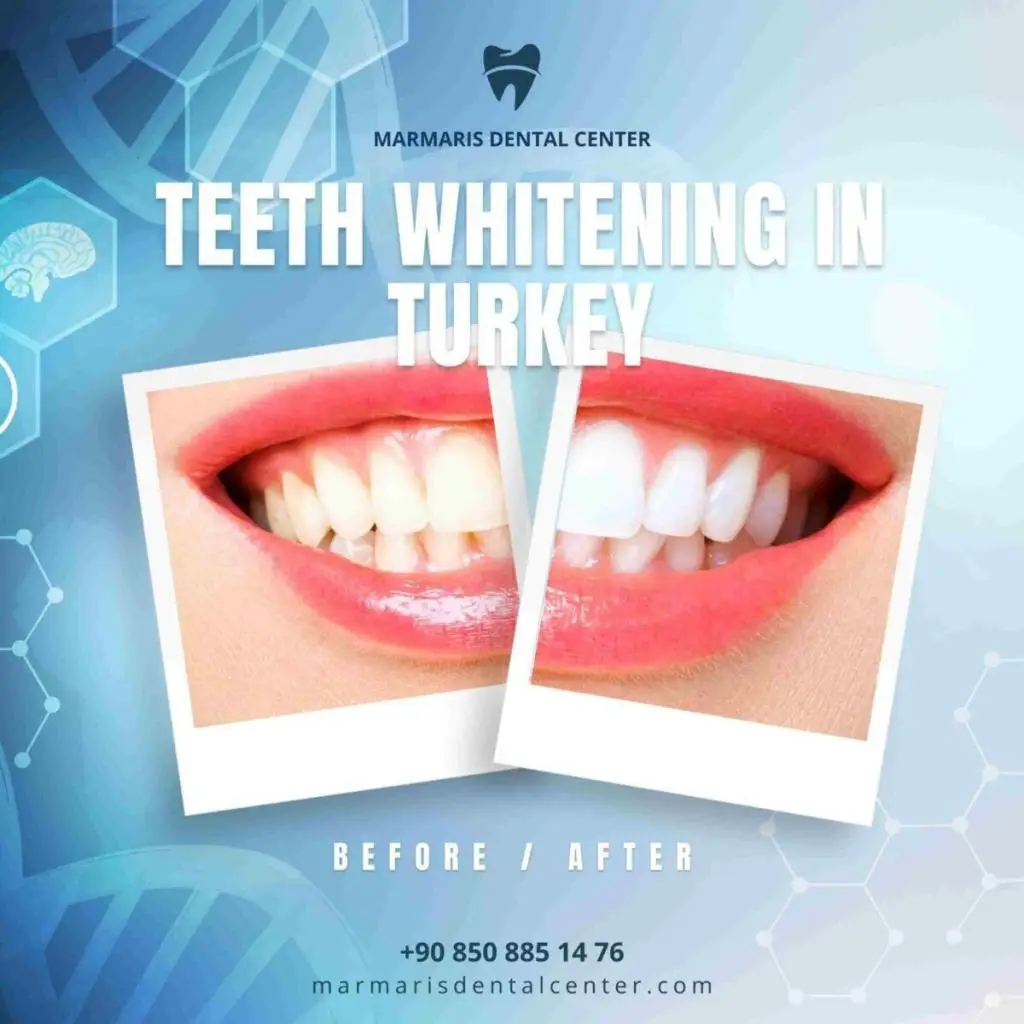
Professional teeth whitening is a cosmetic dental treatment designed to lighten the appearance of natural tooth enamel and reduce selected forms of tooth discolouration.
Everyday brushing can remove surface debris, but it does not always remove colour changes that have become established within or on the enamel.
Professional whitening uses dental whitening agents at concentrations and in treatment protocols selected by a dentist after assessing the teeth, gums and existing dental restorations.
Tooth colour changes can result from the natural structure of the tooth as well as external staining from everyday habits.
As enamel becomes thinner or more translucent, the naturally darker yellow-brown dentine beneath it may become more visible.
Regular consumption of strongly coloured drinks can contribute to visible staining over time.
Tobacco products can create persistent external staining and contribute to darker tooth colour.
Natural tooth colour varies between people and the teeth may appear darker as enamel and dentine change with age.
Professional whitening may be considered when natural teeth appear more yellow or stained than desired because of diet, smoking, ageing or other colour changes that can respond to bleaching.
Before whitening, the dentist should check that the teeth and gums are suitable for treatment and identify any dental conditions that may need attention first.
Crowns, veneers, fillings and other restorations do not whiten in the same way as natural enamel, so existing dental work also needs to be considered when planning the final shade.
Tooth decay, gum problems, exposed root surfaces, existing restorations and the type of discolouration can influence whether whitening is suitable and what level of improvement can realistically be expected.
The existing Marmaris Dental Center treatment information describes approximately one hour and forty-five minutes of in-practice whitening treatment, followed by home whitening trays and whitening syringes.
Whitening gel is applied to the natural teeth according to the planned clinical protocol.
The existing treatment describes using a high-intensity light as part of the in-office whitening process.
The teeth can be reassessed following treatment to review the change in shade.
The current programme includes laboratory whitening trays and whitening syringes for follow-up use as instructed.
Teeth, gums, existing restorations and the type of staining are reviewed before whitening begins.
Soft tissues are protected before professional whitening gel is applied to the teeth.
The whitening protocol is carried out in the clinic and may include light activation according to the selected system.
Custom trays and whitening gel may be provided where appropriate to support or maintain the whitening result.
In-office whitening is designed to produce visible shade improvement within a professionally managed appointment.
The teeth, gums and treatment response can be monitored by the dental team throughout the whitening process.
Whitening can be planned according to natural tooth colour, staining and individual cosmetic goals.
Custom trays may allow the dentist to provide a planned home component alongside the in-office treatment.
Whitening response and sensitivity vary between patients and according to the condition of the teeth.
Some patients experience temporary sensitivity during or after whitening. The dentist can assess sensitivity risk and may adapt the treatment or recommend suitable desensitising measures where necessary.
The amount of colour change depends on the starting tooth colour, enamel and dentine characteristics, type of staining, oral health and previous dental work.
Whitening is not permanent. Lifestyle and oral-care habits influence how quickly staining returns.
Coffee, tea, cola and other strongly coloured beverages can contribute to renewed staining.
Smoking and other tobacco products can rapidly affect tooth colour and contribute to staining.
Regular brushing, interdental cleaning and dental care can help maintain a cleaner tooth surface.
If whitening trays are provided, use them only according to the instructions given by your dental team.
Whitening treatment should be planned according to your natural tooth colour, existing dental restorations, staining, gum condition and sensitivity. A dental assessment helps determine which whitening approach may be suitable and what result can realistically be expected.
Common questions about professional and laser teeth whitening in Marmaris.