How Long Do Dental Implants Last? Lifespan, Maintenance & Long-Term Care
Dental implants are often described as a “long-term” or even “permanent” solution for missing teeth — and in many cases, that reputation is deserved. But
How much do dental implants cost in Turkey? is an article that will provide you with all the information you need to know about how much dental implants cost in Turkey.
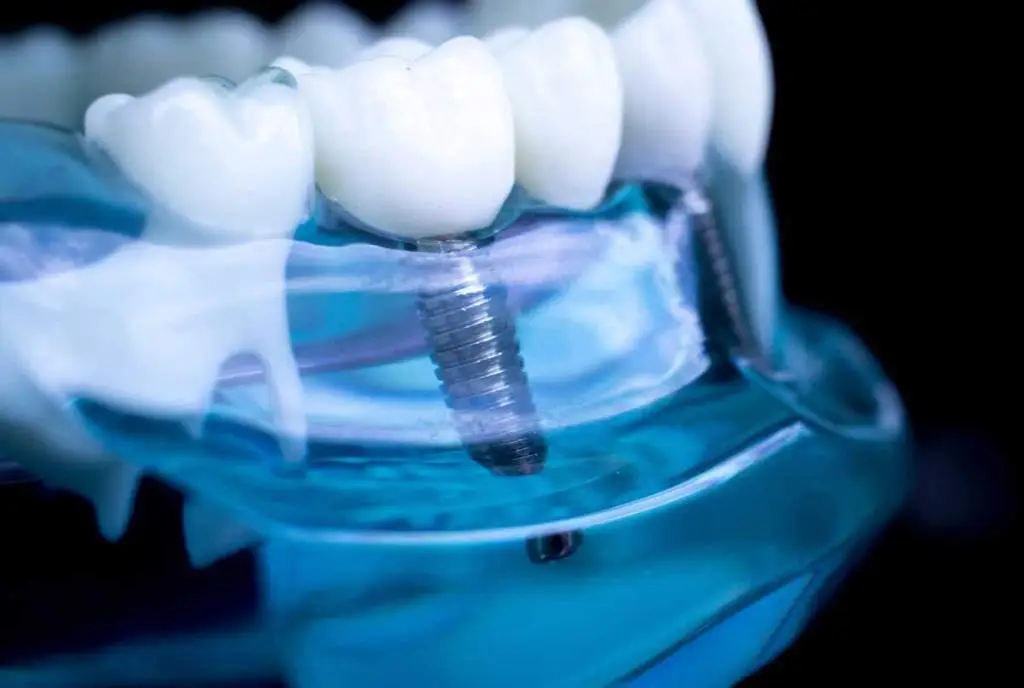
A dental implant may be necessary if you don’t have a crown or a dental bridge to fill the gaps. Dental implants are a fantastic treatment for gaps and can restore your smile’s brightness. If you don’t have abutments next to the gap for the dental bridge, you should consider a dental implant. Think of dental implants as denture roots.
Dental implants, which rely on robust bone support, are often constructed of titanium, which is very biocompatible and rarely causes allergies.
So, after the abutments are fixed, you may think of your dental implants as new roots, but the operation does not end there; you must also recover.
Generally, you can finish your implant treatment in 2-3 months, have your crown filled, and have new, healthy teeth.
Implants can replace any sort of lost tooth.
If a tooth is missing, a dental implant can repair the gap without affecting the next healthy tooth. When more than one tooth is lost, dental implants can treat fixed dentures rather than removable ones. Dental implants can treat fixed dentures rather than complete dentures when no teeth remain in the mouth. When no more teeth are in the mouth, implants can be used to support the removable denture and prevent it from moving by enhancing its retention. We provide sophisticated expertise, individualised treatment plans, and compassionate care at every stage. Choose us, and you’ll be choosing a future in which health is more than simply a destination but a vibrant, empowered journey with trustworthy companions by your side.
Dental implants can be used on any patient in good overall condition. Only the bone structures of the jaw are appropriate for this. The patient’s proper bone structure has a good impact on implant success. Dental implants require a sturdy jawbone of a specified thickness and size to last a long time. If there is insufficient bone tissue, it can be prepped for implant implantation through numerous bone insertions and soft tissue surgery. Implants are not recommended for young people who have not fully developed their bones. Bone development occurs between the ages of 16 and 17 in girls and 18 in boys. Adults can receive implants at any age. Older folks require more dental implants as they lose teeth and their jawbone melts.
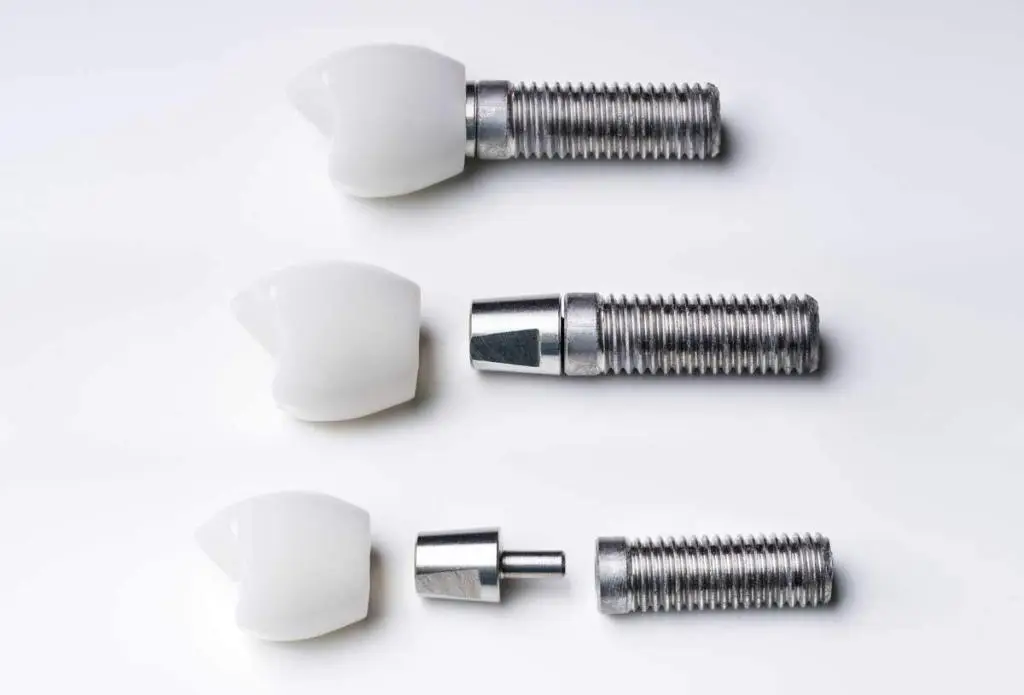
Dental implant surgery is a technique in which the tooth’s root is replaced with a metal screw-like post, and the damaged or missing tooth is replaced with an artificial tooth that looks and functions similarly to a natural tooth. Dental implant surgery is an approach that allows you to correct natural tooth root defects without using dentures or bridges.
Compared to alternative denture options that merely fix the visible area of the lost tooth, dental implants that replace the root and layers of the missing tooth are the best option.
Dental implants are often inserted using local anesthesia. The patient experiences no pain or discomfort during the procedure. Following surgery, there may be some pain and edema. Simple medications can alleviate your pain, and conventional techniques can remove swelling. You can return to your everyday life the day after the treatment.
Dental implants can also be implanted under general anaesthesia if necessary. However, under typical circumstances, local anaesthesia is preferable.
Although each appointment may only take two days, dental work will require two visits. The state of each person’s bone structure determines the recovery time. It often takes 2-3 months to heal.
Titanium and zirconium are Turkey’s most popular materials used for dental implants. Before scheduling a dental implant treatment, your dentist will consult with you to determine the ideal choice. The dental treatment plan will vary for each individual depending on criteria such as the material used for the procedure and the number of teeth to be inserted.
Dentists in Turkey are noted for explaining the treatment procedure to their patients, making them feel comfortable and safe, using the proper materials, and performing excellent treatments quickly. While preserving the patient’s teeth and bones, dental treatment involves reducing their pain. We assure you that getting your teeth treated in Turkey will not make you regret it. You will be putting your money to good use in no time, with new teeth and a stunning new smile.
Following osseointegration, successfully implanted dental implants are more resistant to a variety of circumstances than natural tooth roots. Some implants may be traced back 30–40 years and are simple to utilize. A variety of factors determine the life of the implant. The patient’s health and the implant’s management are paramount. Constant oral care ensures that the implantation site stays strong.
A correct diagnosis is crucial for implant success. Furthermore, the overall health must be good, indicating significant recovery potential. For example, diabetes can have an impact on implant success. The patient must clean and care for the implant thoroughly and correctly. Additionally, the success of the procedure depends on the doctor’s surgical technique and the prosthesis attached to the implant. Excessive smoking and drinking also have an impact on implant success. When appropriately identified, the implant has an extremely high success rate of 98%.
Dental implant insertion carries some health concerns, like any other surgical procedure. Problems are uncommon, and when they arise, they are usually minor and readily resolved. Dental implant issues can include:
Infection near the implant site
Injury or injury to the adjacent teeth, blood vessels, or jaw
Implant rejection.
Improper placement in the upper jaw might cause sinus difficulties.
These hazards can be reduced if the procedure is performed by a skilled surgeon who appropriately prepares the treatment site and positions the implants. Bone grafts, for example, can improve the implant’s success rate, as can specialised dental implant systems.
Following dental implantation in Turkey, it is critical to prioritise the maintenance of new and healthy teeth. You must strictly adhere to the treatment suggestions provided by your dentist. You should avoid eating and drinking for several hours following the dental implant.
Scorching and cold foods and beverages should be avoided for several weeks following the application. Spicy foods, cigarettes, acidic drinks, and alcoholic beverages should also be eliminated from your diet for an extended period of time. It is advisable to eat primarily soft meals. Continue to eat in accordance with your dentist’s instructions, even if you have other health issues.
Contact us for the best dental implant packages at low costs and high quality. You can have new and healthy dental implants in Turkey, as well as a stunning smile, without wasting any time.
There is no such thing as an identical patient or a treatment with implants. The patient’s bone level, age, oral care, number of appointments, treatments, and prices are tailored to each individual.
Remember that dental implants will be with you for an extended period, possibly a lifetime. More significantly, it would help if you used a certified implant and a dentist specialising in long-term usage of dental implants.
When researching the cost of dental implants, you may notice meagre costs in advertisements. This may sound too good to be true for you.
Then, you should ask the appropriate dentist the following questions: What implant brand was used?
Do dental implants come with a certificate, and what are the warranty terms? Is bone augmentation, tooth extraction, abutment, and temporary teeth included? Where are the implants made?
Depending on the circumstances, intricacy, and brand of your implant, implants can cost anywhere from £400 to £1000, depending on the brand and technique of insertion.
Implant Nucleoss (Domestic) (£300–£400)
Implant NTA (Swiss) (£400–£550)
Implant Hiossen-Osteem (£400-£500)
Implant Medentica (Straumann) (£500–£750)
Implant Astra Tech (Swedish) (£550–£750)
Implant Nobel (Germany) (£650–£750)
Our pricing for how much dental implants cost in Turkey includes:
Accommodation (If you choose our treatment packages). Please ask us.
Transfer ( Hotel to Clinic, Clinic to Hotel Transfers )
X-rays taken by a dentist
An examination by a dentist
Temporary teeth (till the conclusion of treatment).
Fungus Protection (For the Night)
Whether you are missing one or more teeth, you have most likely heard about dental implants and understand how this gorgeous application is a one-of-a-kind solution. If you have yet to decide on the natural-looking implant option, you may be delaying the cost of implants in 2022. Although dental implant prices in Turkey involve an initial investment, the result is long-lasting, stable, and beautiful.
Dental implants are an ultimately cost-effective technique. However, the most critical factors impacting implant pricing in 2022 are listed below:
The number of implants required and the material used will determine the overall cost of your treatment plan. To determine how many implants are required, give our experts a picture of your teeth and mouth after contacting us. The operating costs are primarily fixed if the implants are placed on the same day.
You may require pre-treatment before the implant is implanted. If you have a damaged or carious tooth, we may suggest extraction. Sometimes, the tooth does not have to be pulled because implantation can be performed immediately after extraction. Furthermore, some patients experience a considerable decrease in soft tissue volume and bone density following tooth loss, necessitating a tissue graft to prepare their smile for successful dental implant installation. An X-ray of the teeth provides the most precise information.
To ensure your comfort during dental implant implantation or pre-treatment procedures such as tooth extraction or tissue grafting, you may choose to receive dental sedation. The type of sedative you use can add hundreds of dollars to your entire treatment cost. Dental and health insurance companies may pay for some types of sedation.
Perfectly fits the patient’s actual teeth.
Lifetime guarantee.
Unlike the prosthesis, speaking and chewing functions are not compromised.
There is no risk of deterioration.
Implants are easier to clean than dental bridges, making them more hygienic.
The procedure is performed without affecting the health of the teeth on either side.
Complete loss of teeth in the lower jaw accelerates bone loss, which dental implants counteract.
Upper-jaw dentures are uncomfortable and prone to slippage, but dental implants are as sturdy as natural teeth.
Dental implants do not cause nausea or impair the ability to taste.
Implanted teeth appear normal, with no signs of attachment.
Dental implants, regardless of brand, are composed of titanium. However, there is a significant price variation between the brands. Although all dental implants comprise titanium, some respectable and experienced companies apply various technologies to the implant surface to strengthen the interaction between the implant and the jawbone. As a result, they charge higher prices than others. Furthermore, implant businesses’ reputation and history in the implant market contribute to higher prices.
Numerous dental clinics in Turkey provide dental implants at reasonable rates. These implants are from various countries, including local Turkish implant brands. The brand’s low price is due to competition in the implantology area. These new brands produce high-quality titanium dental implants while keeping prices as low as possible in order to become the most popular among Turkish dentists.
Dental implants are widely used in Turkey. Thus, dentists buy them in volume and receive significant discounts from manufacturers, contributing to the low prices. We recommend that all dental implant patients thoroughly study the dental facility, dentist, and dental implant brand before travelling to Turkey for treatment.
The results are quite natural when the dental implant is placed with a prosthesis. The prosthesis blends in with the gums, so no one can tell which is your natural tooth and which is being restored.
One of the most significant advantages of dental implants is that they behave like natural teeth, providing strength and performance unrivalled by alternative restorations. The dental implant, which is firmly embedded in your jawbone like a natural root, provides stability for the denture.
One of the negative consequences of tooth loss is that you begin to lose bone mass surrounding the missing tooth. This is because no roots remain to promote bone ossification and strengthening. Placing a dental implant in your jawbone promotes new bone formation through a process known as osseointegration. This can help prevent further bone loss.
Bone loss can cause people who have lost teeth to appear sunken and aged around the mouth, which affects the overall structure of their face.
Dental implants can help keep your jawbone healthy and preserve the structure of your face.
Dental implants, like your natural teeth, can last a lifetime with proper care.
When you compare the lifetime cost of dental implants to the cost of other restorations that may need to be updated on a regular basis, it becomes quite affordable. Once your mouth is oral and your implant has been successfully placed, we can assist you in preventing future complications.
One of the most common complaints about losing teeth or wearing dentures is having to adjust their diet since the bite is less effective or the dentures do not fit well enough to eat foods like apples or steak. When the dental implant is established, most patients can eat and drink regularly.
Losing teeth or having dentures can have a negative impact on a person’s self-esteem. Losing teeth can influence how you feel when you smile, and people who have dentures frequently express concern that their dentures will shift when they speak or laugh. Your jawbone holds dental implants or dentures with implant retention in place so they won’t move, allowing you to go about your day feeling completely confident in your smile.
Dental implants require minimal maintenance since they require the same care as natural teeth, which includes brushing and flossing at least twice a day, frequent dental check-ups, and regular visits to a healthcare professional. Many individuals feel that because their implants are not comprised of organic elements, they do not require cleaning; nevertheless, this is far from the truth. Dental implants, like natural teeth, are susceptible to plaque and tartar buildup, gum disease, and infection if not properly cared for.
The placement of a dental implant in your mouth and the amount of jawbone necessary to support it determine its success. Smoking, for example, can have an impact on whether or not dental implants work. Overall, dental implants have a success record of approximately 98%, indicating that they produce predictable results and are appropriate for the majority of people.
Dentures can impair your ability to pronounce words properly. Losing a tooth might also affect your speech. Because dental implants feel and act like real teeth, you can communicate freely and naturally.

Dental implants are often described as a “long-term” or even “permanent” solution for missing teeth — and in many cases, that reputation is deserved. But

Wisdom teeth—also called third molars—are the last adult teeth to develop, usually appearing between the ages of 17 and 25. For some people, wisdom teeth
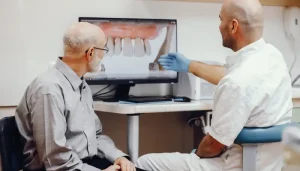
Dental implants are widely considered one of the most reliable and long-lasting solutions for missing teeth. When properly planned and placed, modern dental implants can